Custom Projects
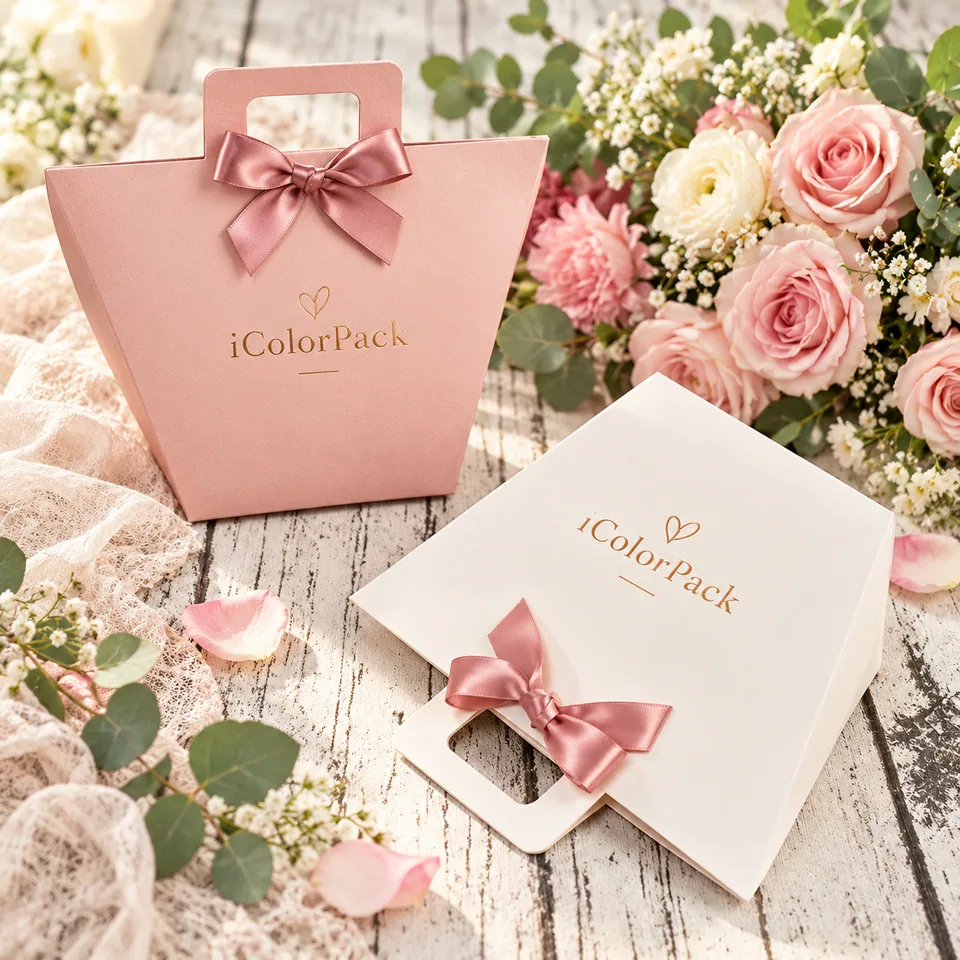
Custom Wedding Favor Boxes
Wedding favor packaging starts with the gift, the event quantity and the assembly plan.
Explore this packaging →Begin a custom packaging project with the product, quantity per design, destination and target date. A visual reference helps communicate style, but a measured specification and approved sample are what define the order.
Each product opens a detailed guide with construction choices, specification questions and a quote form.
Wedding favor packaging starts with the gift, the event quantity and the assembly plan.
Explore this packaging →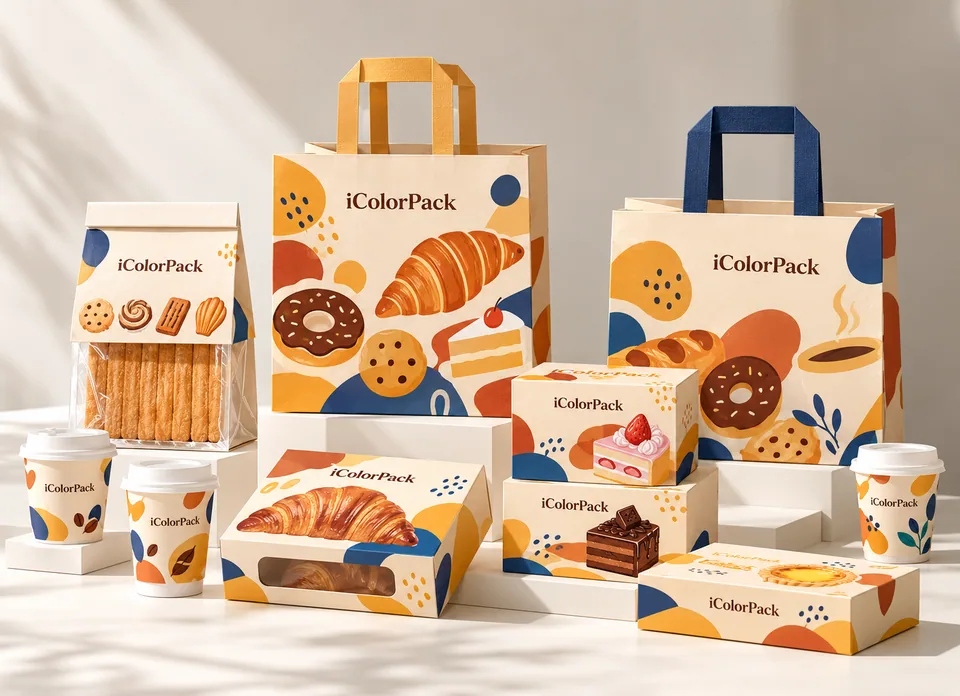
A coordinated bakery range combines boxes, bags and other components around a shared design.
Explore this packaging →Custom projects can range from one small favor carton to a coordinated bakery range. The practical work is deciding what belongs in the project: outer cartons, bags, inserts, ribbons, tags and any direct-contact parts. Identify those components before comparing a supplier quotation.
| Format | Typical project | Decision to review |
|---|---|---|
| Event favors | A dated gift or personalized presentation | Proof spelling, quantity per version and assembly time. |
| Coordinated packaging range | Boxes and bags with a shared design | Separate dielines and material references for each component. |
| Structure exploration | When a format is not yet chosen | Compare alternatives around one product and delivery route. |
Event favors, seasonal gifts and coordinated retail packaging work best when component fit, artwork consistency and delivery are planned together.
List every bag, carton, insert, tag, ribbon and liner. Record dimensions and quantities per component and artwork version. A shared design does not mean each piece uses the same material or manufacturing method.
Prepare separate dielines for each structure and identify critical colors. A screen image is a direction, not a physical color reference. Compare approved proofs on each substrate, especially when combining coated paper, textured wrap and fabric accessories.
Distinguish a blank fit sample, a print proof and a finished approval sample. Each answers a different question. Agree which components are included, which differences remain and what written approval is required before proceeding.
Work back from the required arrival date through freight, packing, production and approval. Event personalization creates additional proofing risk: check names, dates and quantities per version before approving artwork. Confirm the actual schedule in the quotation.
A single “total quantity” for a mixed set can hide different quantities per size or artwork. Break the order down before comparing prices.
Provide the packed product dimensions, weight and quantity per design
Confirm the construction, component list, artwork scope and delivery assumptions. Resolve any differences before comparing quotations.
Provide actual dimensions and packed weight. Record the approved revision and remaining changes.
Keep material references, inspection points, packing format and the arrival plan together with the written approval.
A picture is a useful visual brief but does not define the board, usable size, insert, accessories or production method. Add dimensions and quantities for a meaningful review.
That can be a useful alternative to compare with full custom construction. Ask for both scopes where feasible and include labor and delivery costs.
Confirm structure, artwork, material, accessories and finish on the approved sample before committing to production.
Send dimensions, quantity and destination for a specification review. For artwork or image references, email Jennifer directly.
[email protected]