
Rigid Gift Boxes
Custom Drawer Gift Boxes
A drawer gift box combines an outer sleeve with a sliding tray.
Explore this packaging →Start a rigid gift-box project with the opening style, usable interior and packed product weight. Then compare the board construction, wrapped paper, insert and finish on the same specification.

Each product opens a detailed guide with construction choices, specification questions and a quote form.
A drawer gift box combines an outer sleeve with a sliding tray.
Explore this packaging →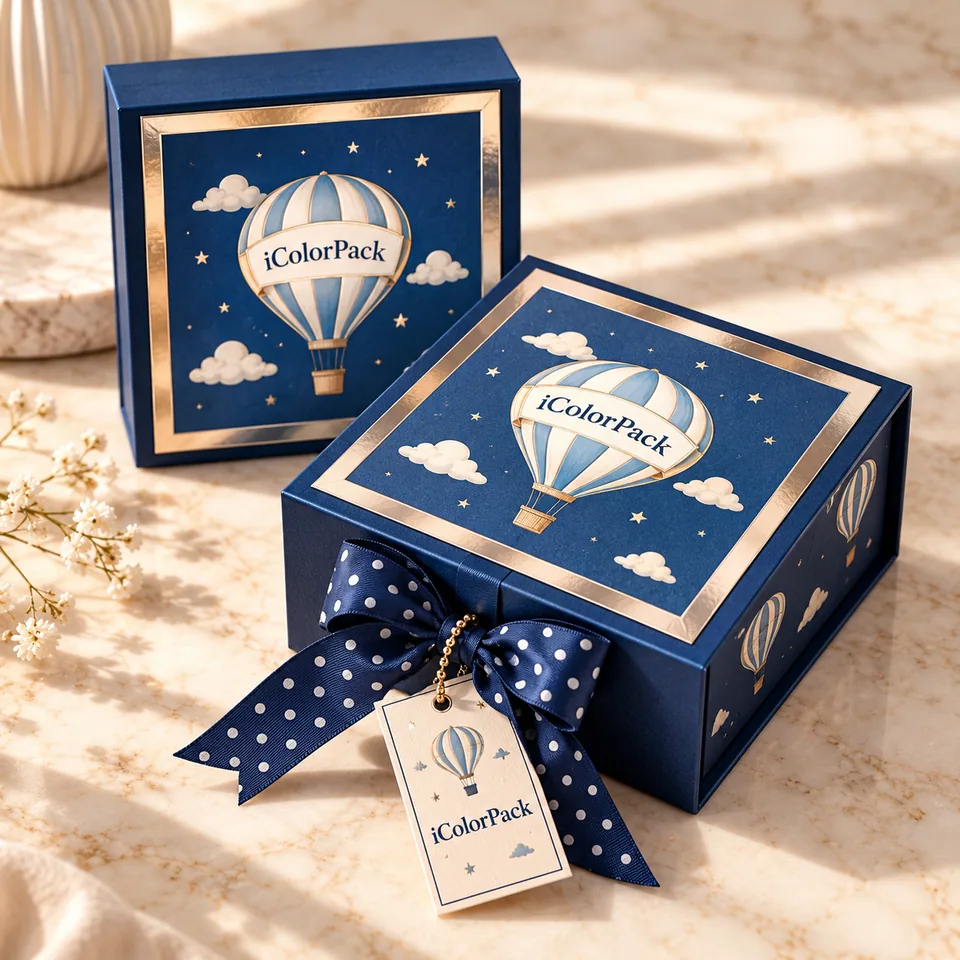
A lid-and-base gift box has a separate cover and tray.
Explore this packaging →Embossed gift packaging uses a raised pattern to add tactile detail.
Explore this packaging →A drawer, a lift-off lid and a magnetic closure are different opening mechanisms, not quality grades. A rigid presentation can be appropriate for a keepsake or premium gift, but it may also add assembly, storage and freight volume. Use the format that suits the product rather than choosing the heaviest board by default.
| Format | Typical project | Decision to review |
|---|---|---|
| Drawer / sleeve and tray | A controlled sliding reveal | Review friction, ribbon attachment and tray retention. |
| Lid and base | Direct top access | Check lid depth, grip and opening resistance. |
| Embossed or foil detail | A surface treatment across structures | Approve the artwork scale and paper together. |
Jewelry, small accessories, curated gift sets and chocolate assortments benefit from different interiors even when their outer boxes look similar.
Rigid board supplies the form; the wrap supplies much of the color and surface feel. Thickness alone does not define performance. Specify grade, measured thickness, wrap material and the proposed corner construction, then review squareness and wrap adhesion on the sample.
Paperboard dividers, shaped trays and other insert routes solve different presentation problems. Define cavity count, orientation and finger access around the product. A tight-looking photograph does not show whether the product can be removed comfortably or whether its finish will rub.
A lid-and-base box needs usable grip and a suitable lid depth. A drawer needs controlled sliding resistance. Ribbons and tags add assembly and packing requirements. Confirm these as separate components rather than assuming every illustrated accessory is included.
An assembled rigid box can occupy considerably more space than a flat carton. Compare packing format, units per shipping carton and destination assembly requirements before choosing the format. A presentation box still needs appropriate outer protection for parcel delivery.
Paying for a heavier board while leaving the insert undefined can produce an expensive box with poor product fit. Evaluate the complete filled pack.
Provide the packed product dimensions, weight and quantity per design
Confirm the construction, component list, artwork scope and delivery assumptions. Resolve any differences before comparing quotations.
Compare usable interior dimensions, not only external dimensions. Record the approved revision and remaining changes.
Keep material references, inspection points, packing format and the arrival plan together with the written approval.
Setup, tooling, finishing and assembly can be spread over fewer pieces. Compare a simpler structure and the complete delivered scope, not only an advertised unit price.
Neither is universally better. Closing feel, product access, board construction, insert and delivery format should guide the choice.
Confirm construction, dimensions, materials and finishing on the approved sample before production.
Send dimensions, quantity and destination for a specification review. For artwork or image references, email Jennifer directly.
[email protected]